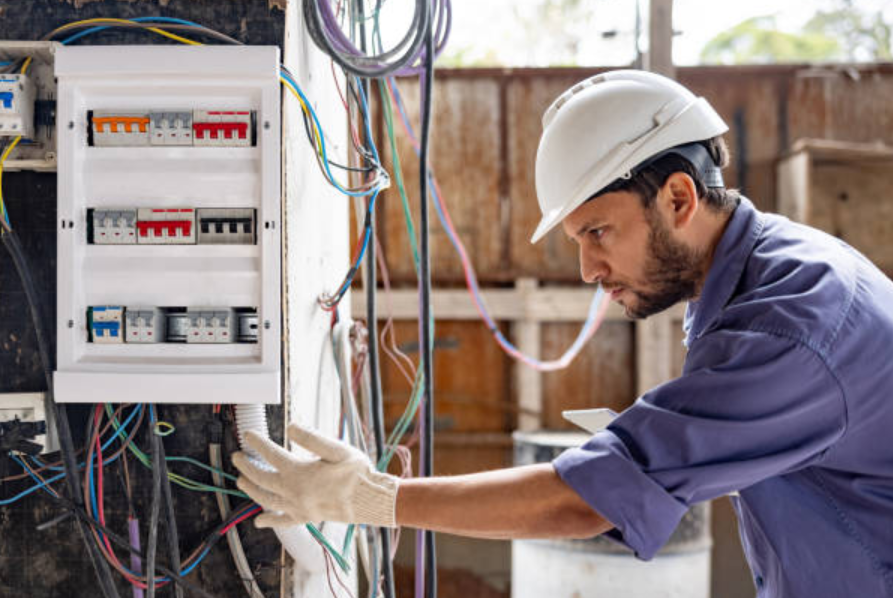
Electrical safety is a fundamental responsibility for every property owner. Whether the building is residential, commercial, or industrial, the electrical switchboard plays a central role in protecting people, equipment, and the structure itself. Safety standards exist to ensure that switchboards are designed, installed, and maintained in a way that reduces the risk of electrical fires, electric shock, and system failures.
Understanding electrical switchboard safety standards helps property owners make informed decisions and maintain a safe electrical environment. This article explains the key standards, why they matter, and how they contribute to long term building safety.
What Are Electrical Switchboard Safety Standards
Electrical switchboard safety standards are guidelines and regulations developed to ensure the safe distribution and control of electricity within a building. These standards address how switchboards should be designed, installed, labeled, protected, and maintained.
Safety standards are created by regulatory bodies and industry organisations to:
- Reduce the risk of electrical hazards
- Protect occupants and maintenance personnel
- Ensure consistent and reliable electrical performance
- Support compliance with building and electrical codes
Following these standards is essential for creating a safe and functional electrical system.
Why Safety Standards Matter for Property Owners
Electrical hazards can have serious consequences, including injury, property damage, and operational disruptions. Safety standards exist to minimise these risks and provide clear guidance for proper electrical practices.
Key reasons safety standards are important include:
- Prevention of electrical fires caused by faulty wiring or overloads
- Protection against electric shock and electrocution
- Reduced risk of damage to appliances and equipment
- Legal and insurance compliance
Property owners who understand and follow safety standards help create a safer environment for everyone who uses the building.
Switchboard Design and Construction Standards
The design and construction of an electrical switchboard must meet specific safety requirements to ensure durability and reliable operation. Poorly designed boards increase the risk of overheating, faults, and component failure.
Important design and construction considerations include:
- Use of non combustible and durable materials
- Adequate spacing between components to prevent overheating
- Secure mounting to prevent movement or vibration
- Proper enclosure to protect internal parts from dust and moisture
A well constructed switchboard forms the foundation of a safe electrical system.
Location and Accessibility Requirements
Safety standards specify where electrical switchboards should be installed and how accessible they must be. Proper placement allows for quick access during emergencies and safe maintenance.
Location and accessibility standards typically require:
- Installation in a dry and well ventilated area
- Clear working space around the switchboard
- Easy access without obstruction
- Adequate lighting in the surrounding area
These requirements ensure that power can be safely isolated and faults addressed without delay.
Clear Labelling and Circuit Identification
One of the most important yet often overlooked safety standards is proper labeling. Every circuit within the switchboard should be clearly identified.
Effective labeling standards include:
- Clear identification of each circuit’s purpose
- Durable labels that remain legible over time
- Consistent naming for easy understanding
Clear labeling improves safety by allowing quick identification of circuits during maintenance or emergencies, reducing the risk of accidental contact with live components.
Circuit Protection and Overload Safety
Electrical switchboards from Meta Power Solutions include appropriate protective devices to prevent overloads and short circuits. These protections are essential for reducing fire risk and equipment damage.
Safety standards require:
- Properly rated circuit breakers for each circuit
- Protection against short circuits and overloads
- Separation of high load and low load circuits
Correct circuit protection ensures that faults are contained and do not affect the entire electrical system.
Safety Switch and Residual Current Protection
Safety switches play a critical role in protecting people from electric shock. They monitor electrical flow and disconnect power when leakage is detected.
Standards related to safety switches focus on:
- Installation in circuits that supply power to outlets and lighting
- Fast disconnection times to reduce injury risk
- Regular testing to confirm proper operation
These devices significantly reduce the likelihood of serious electrical accidents.
Earthing and Grounding Standards
Proper earthing and grounding are essential for electrical safety. They provide a safe path for fault currents and help stabilise voltage levels.
Earthing standards ensure:
- Effective dissipation of fault currents
- Reduced risk of electric shock
- Protection of appliances and equipment
Without proper grounding, even minor faults can become dangerous.
Fire Resistance and Heat Management
Switchboards generate heat during normal operation. Safety standards address how this heat should be managed to prevent fire hazards.
Fire and heat related requirements include:
- Use of fire resistant materials
- Adequate ventilation to dissipate heat
- Proper spacing of heat generating components
Managing heat effectively reduces the risk of electrical fires and extends the lifespan of switchboard components.
Protection Against Environmental Factors
Electrical switchboards must be protected from environmental conditions that could compromise safety. Standards vary depending on whether the switchboard is installed indoors or outdoors.
Environmental protection standards consider:
- Moisture resistance in damp or wet areas
- Dust and debris protection in industrial environments
- Corrosion resistance in coastal or harsh locations
Appropriate protection ensures consistent and safe operation under varying conditions.
Capacity and Load Management Standards
Switchboards must be designed to handle the electrical load of the building. Overloaded systems increase the risk of faults and failures.
Load management standards focus on:
- Adequate capacity for current and future electrical demand
- Proper distribution of circuits
- Avoidance of overcrowding within the switchboard
Meeting these standards helps maintain safe and reliable power distribution.
See also: The Future of Technology: Predictions and Possibilities
Regular Inspection and Maintenance Requirements
Safety standards emphasise the importance of regular inspection and maintenance of electrical switchboards. Even a well designed system can become unsafe if not properly maintained.
Inspection and maintenance standards typically involve:
- Periodic visual inspections for damage or wear
- Testing of safety switches and circuit breakers
- Tightening of electrical connections
Regular checks help identify potential issues before they become serious hazards.
Upgrading Older Switchboards to Meet Modern Standards
Many older properties have switchboards that no longer meet current safety standards. Upgrading these systems is often necessary to ensure ongoing safety.
Common reasons upgrades are required include:
- Lack of modern protective devices
- Insufficient capacity for current electrical usage
- Deterioration of materials and components
Upgrades help align older systems with modern safety expectations.
Responsibilities of Property Owners
Property owners play a key role in ensuring that electrical switchboards meet safety standards. While licensed professionals handle installation and repairs, owners are responsible for maintaining safe conditions.
Property owner responsibilities include:
- Ensuring switchboards are inspected regularly
- Addressing identified safety issues promptly
- Avoiding unauthorised modifications
Awareness and proactive management contribute significantly to electrical safety.
Safety Standards in Commercial and Residential Buildings
While safety principles remain consistent, standards may differ slightly between residential and commercial properties due to varying electrical demands.
Residential standards focus on:
- Protection of occupants from everyday hazards
- Safe use of outlets and lighting circuits
Commercial standards emphasise:
- Managing higher loads and complex systems
- Protecting equipment and ensuring continuity of operations
Understanding these differences helps property owners apply the correct safety measures.
The Role of Compliance in Insurance and Liability
Compliance with electrical switchboard safety standards can affect insurance coverage and liability. Non compliant systems may increase risk and complicate claims.
Compliance benefits include:
- Reduced likelihood of insurance disputes
- Demonstrated commitment to safety
- Lower risk of legal complications
Meeting standards protects both property and financial interests.
Conclusion
Electrical switchboard safety standards exist to protect people, property, and electrical systems from serious hazards. From proper design and installation to regular maintenance and compliance, these standards form the backbone of a safe electrical environment.
For property owners, understanding these standards is essential. A well maintained and compliant electrical switchboard reduces the risk of fires, electric shock, and system failures while supporting long term building safety. As electrical demands continue to evolve, adherence to safety standards remains a critical responsibility for every property owner.