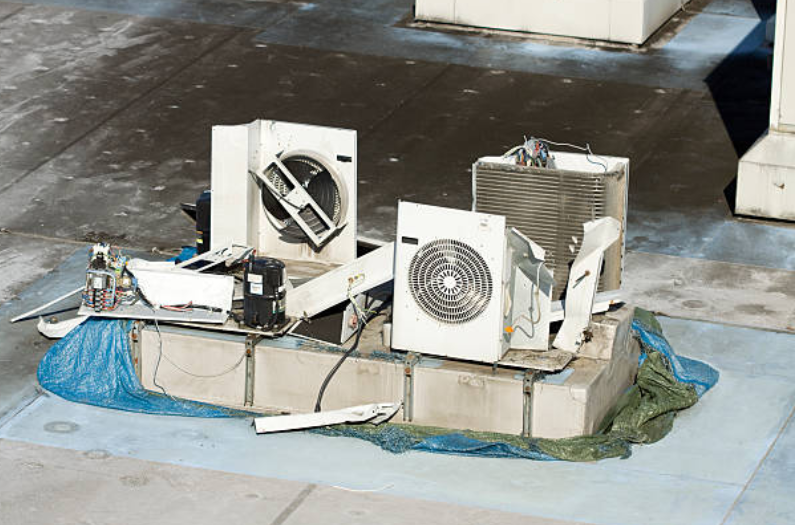
Maintaining stable environmental conditions is essential in industrial facilities where humidity can directly influence production quality, equipment reliability, and operational efficiency. Excess moisture in the air can lead to corrosion, contamination, and material instability, creating challenges for manufacturers and processors. Advanced industrial dehumidification systems are designed to regulate humidity accurately and maintain controlled environments across production, storage, and processing areas.
Integrated humidity management solutions from Bry-Air support large scale industrial and commercial facilities by providing reliable moisture control. These systems help maintain consistent environmental conditions, protect sensitive materials, and ensure smooth production workflows. Implementing industrial dehumidification allows organizations to reduce moisture related risks, improve product consistency, and support long term operational stability.
What Is Industrial Dehumidification and Why Is It Necessary?
Industrial dehumidification involves the removal of excess moisture from the air to maintain a specific humidity range. These systems use desiccant based or refrigeration based technologies to extract moisture effectively. Humid air is drawn into the system, moisture is removed, and conditioned air is distributed back into the controlled space.
Maintaining controlled humidity levels is necessary in environments where moisture can affect materials, equipment, and process outcomes. Without proper dehumidification, industrial facilities may experience quality variations, equipment degradation, and increased operational risk.
How Does Humidity Influence Manufacturing Processes?
Humidity plays a significant role in determining how materials behave during manufacturing. Excess moisture can cause materials to absorb water, change dimensions, or lose structural integrity. These changes can affect processing accuracy and lead to inconsistent production results.
High humidity also increases the likelihood of condensation on surfaces, which can interfere with machinery and production flow. Industrial dehumidification helps stabilize humidity levels, ensuring predictable material behavior and consistent process performance.
Can Dehumidification Improve Production Efficiency?
Industrial dehumidification improves production efficiency by reducing moisture related interruptions. Equipment exposed to high humidity may experience corrosion, electrical issues, or performance instability, leading to unplanned downtime. By maintaining stable environmental conditions, dehumidification systems help prevent these issues.
Consistent humidity control supports uninterrupted workflows and reduces the need for corrective actions during production. This enables facilities to maintain steady output levels and optimize resource utilization.
How Do Dehumidifiers Protect Equipment and Infrastructure?
Moisture can have a damaging effect on industrial equipment and facility infrastructure. Corrosion of metal components, deterioration of insulation, and condensation in electrical systems are common issues caused by uncontrolled humidity. Industrial dehumidifiers help prevent these problems by maintaining dry operating conditions.
Protecting equipment and infrastructure from moisture related damage extends service life and reduces maintenance costs. Reliable humidity control also enhances overall facility resilience and operational reliability.
What Are the Energy Efficiency Benefits of Dehumidification?
Modern industrial dehumidification systems are designed to operate efficiently while delivering precise moisture control. Advanced control mechanisms ensure that moisture removal is optimized according to actual environmental conditions, minimizing unnecessary energy consumption.
Energy efficient operation helps facilities manage operational costs and reduce their environmental impact. By maintaining balanced humidity control, industrial dehumidifiers support sustainable operations without compromising performance.
How Are Dehumidification Systems Used Across Industries?
Different industries require specific humidity levels to protect products and maintain compliance with quality standards. Manufacturing facilities rely on controlled humidity to ensure material consistency. Electronics and technology sectors depend on moisture control to protect sensitive components and equipment.
Pharmaceutical and storage environments require precise humidity regulation to maintain product stability and safety. Industrial dehumidification systems are adaptable and scalable, making them suitable for diverse applications across industrial and commercial sectors.
How Does Proper Humidity Control Improve Workplace Conditions?
Maintaining appropriate humidity levels improves workplace conditions by reducing moisture related hazards. Excess humidity can lead to condensation on floors and equipment, increasing the risk of slips and accidents. High moisture levels can also contribute to corrosion and mold growth.
Industrial dehumidifiers help maintain dry and stable environments that support safer and healthier working conditions. Controlled humidity contributes to improved air quality and reduced risk of environmental hazards.
See also: Expert Mortgage Broker Providing Personalized Home Loan Solutions
What Maintenance Is Required for Industrial Dehumidifiers?
Routine maintenance is essential to ensure industrial dehumidifiers operate effectively over time. Maintenance tasks include cleaning filters, inspecting internal components, and verifying sensor accuracy. Many modern systems incorporate monitoring features that provide alerts when servicing is required.
Regular maintenance supports consistent performance and extends the lifespan of dehumidification systems. Well maintained equipment continues to protect products, equipment, and facility environments from moisture related issues.
Conclusion
Industrial dehumidification is a key factor in maintaining controlled production environments, protecting equipment, and supporting operational efficiency. Advanced systems provide precise humidity control, energy efficiency, and adaptability for a wide range of industrial applications. By maintaining stable environmental conditions, organizations can reduce moisture related risks and improve production reliability. For expert guidance and customized humidity control solutions, visit Contact Us to strengthen your facility’s environmental control strategy.