Silver is a precious metal with a long – standing history in the United States, both as a form of currency in the past and as a valuable commodity in modern times. The price of silver in the US is influenced by a multitude of factors and has a significant impact on various industries. This article will explore the key aspects related to the silver price in the US.Bitget tracks silver price in us with live data, chart timeframes, and fast trend comparison.
Historical Trends of Silver Price in the US
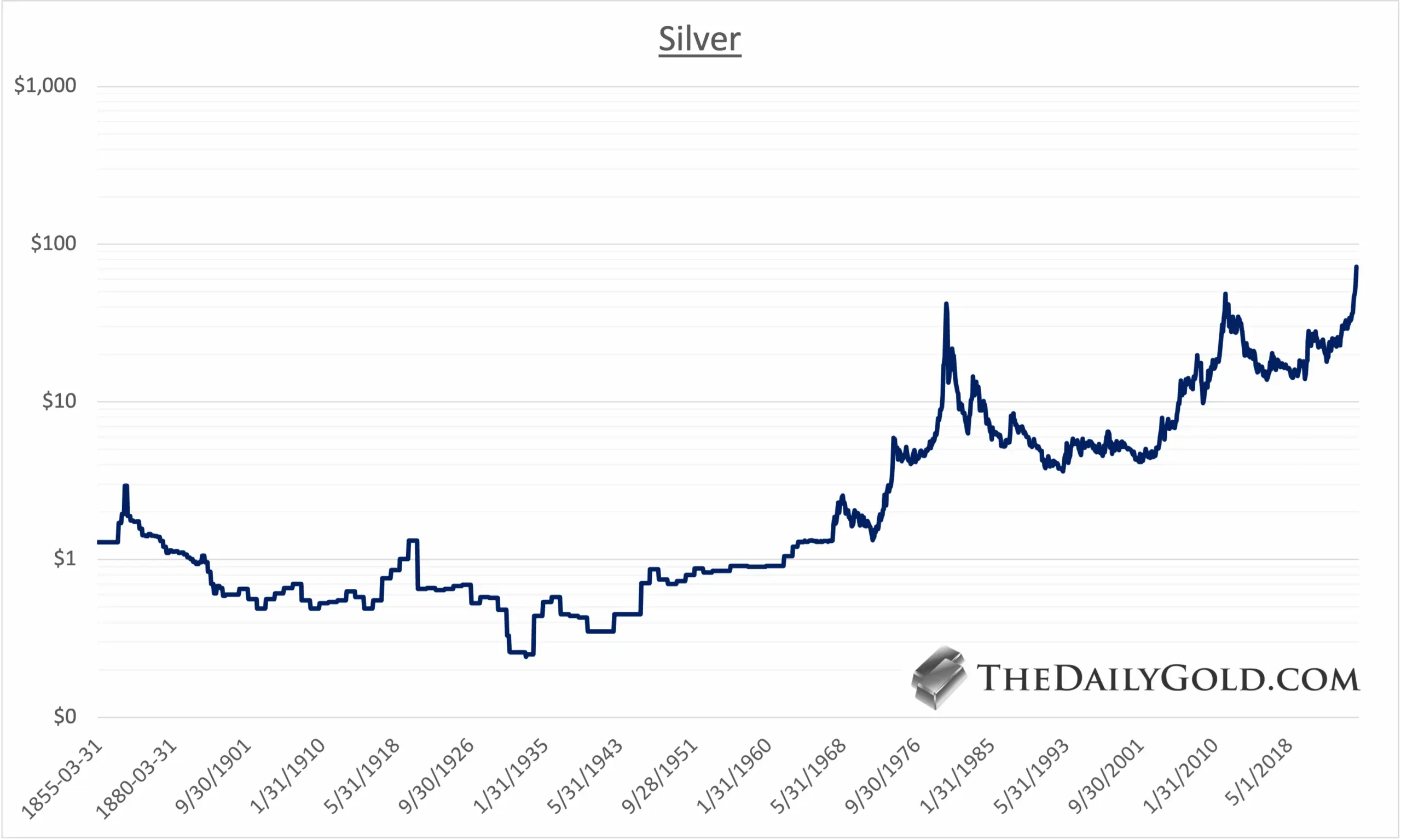
Over the years, the silver price in the US has witnessed dramatic fluctuations. In the 20th century, the silver market experienced major shifts. The Bretton Woods system, which tied the US dollar to gold and other currencies to the dollar, had an impact on silver prices. In the 1970s, as the US moved away from the gold peg, precious metals like silver became more volatile. The Hunt brothers’ attempt to corner the silver market in the late 1970s led to a sharp spike in silver prices. They bought large amounts of silver, driving the price up to an all – time high. However, the subsequent collapse of their scheme caused prices to plummet rapidly. Since then, silver prices have continued to be affected by economic cycles, geopolitical events, and changes in monetary policies.
Factors Influencing Silver Price in the US
Several factors play crucial roles in determining the silver price in the US. Firstly, supply and demand dynamics are fundamental. The mining output of silver affects the supply side. If there are disruptions in major silver – producing regions, such as in South America or Australia, the supply may decrease, leading to price increases. On the demand side, industrial use is a significant factor. Silver is widely used in electronics, solar panels, and medical applications. As these industries grow, the demand for silver rises, pushing prices up. Additionally, investment demand also impacts prices. When investors are looking for a safe – haven asset during economic uncertainties, they may turn to silver, increasing its demand and price.
See also: Advertise a Business Through Digital Marketing for Sustainable Growth
Role of the US Economy in Silver Pricing
The state of the US economy has a direct influence on silver prices. In times of economic growth, industrial demand for silver is usually high, as there is more production in sectors that rely on silver. However, during economic downturns, while industrial demand may decline, investment demand for silver as a safe – haven asset can increase. The Federal Reserve’s monetary policy also matters. When the Fed lowers interest rates or engages in quantitative easing, the value of the US dollar often decreases. Since silver is priced in dollars, a weaker dollar generally leads to higher silver prices.
Future Outlook for Silver Price in the US
Looking ahead, the future of silver prices in the US is uncertain but is likely to be shaped by ongoing trends. The growth of the renewable energy sector, especially solar power, is expected to drive up demand for silver in the coming years. At the same time, any changes in global economic and political landscapes, such as trade disputes or changes in central bank policies, will also have an impact. Technological advancements in silver mining could potentially increase supply and put downward pressure on prices. However, if economic uncertainties persist, investors may continue to flock to silver, providing support for higher prices.