Chronic hemorrhoids are swollen veins in the rectal or anal area that persist over time, often causing pain, bleeding, and discomfort during daily activities. While occasional hemorrhoids may resolve on their own, chronic hemorrhoids treatment is often necessary to prevent ongoing symptoms and improve quality of life. Understanding treatment options, recovery expectations, and lifestyle strategies is essential for managing this condition effectively.
What Are Chronic Hemorrhoids?
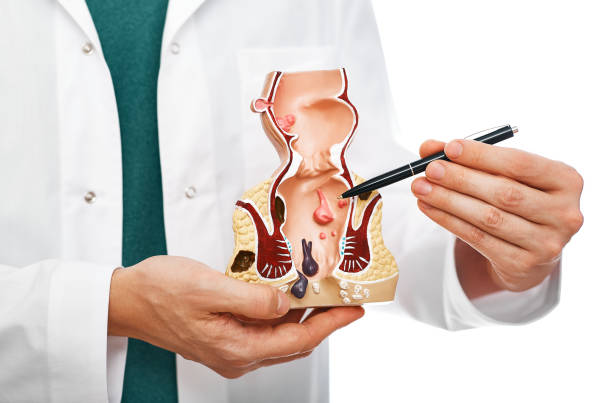
Hemorrhoids are normal vascular structures in the anal canal, but when they become enlarged, inflamed, or symptomatic for an extended period, they are classified as chronic. Chronic hemorrhoids may be internal, located inside the rectum, or external, forming outside the anal opening.
Common Causes of Chronic Hemorrhoids
Several factors contribute to the development of chronic hemorrhoids:
- Straining during bowel movements: Frequent straining increases pressure on anal veins.
- Chronic constipation or diarrhea: Persistent bowel irregularities can irritate hemorrhoidal tissue.
- Pregnancy and childbirth: Increased pelvic pressure and hormonal changes affect vein integrity.
- Prolonged sitting or standing: Reduced blood circulation in the anal region can worsen symptoms.
- Obesity: Extra abdominal pressure contributes to vein enlargement.
Common Symptoms
Individuals with chronic hemorrhoids may experience:
- Bleeding during or after bowel movements
- Persistent anal pain or discomfort
- Itching or irritation around the anus
- Swelling or lumps near the anal opening
- Prolapse, where internal hemorrhoids extend outside the anus
Chronic hemorrhoids can significantly affect daily life, making treatment important for both physical relief and emotional well-being.
Non-Surgical Treatments for Chronic Hemorrhoids
Non-surgical treatments are often the first line of management for chronic hemorrhoids. These options aim to reduce symptoms, prevent worsening, and improve overall comfort without the need for invasive surgery.
1. Rubber Band Ligation
Rubber band ligation is a minimally invasive procedure commonly used for internal hemorrhoids. The process involves:
- Placing a small rubber band at the base of the hemorrhoid
- Cutting off blood flow, causing the hemorrhoid to shrink and fall off
- Usually requiring an outpatient visit with minimal discomfort
Benefits:
- Quick procedure with little downtime
- Effective for medium-sized internal hemorrhoids
- Reduces bleeding and prolapse
Considerations:
- May cause mild cramping or temporary bleeding
- Multiple sessions may be necessary for larger hemorrhoids
See also: Why Working with a Bilingual Therapist Can Improve Your Mental Health Care
2. Sclerotherapy
Sclerotherapy involves injecting a solution into the hemorrhoid to shrink the blood vessel. The treated tissue eventually hardens and reduces swelling.
Benefits:
- Suitable for small to medium hemorrhoids
- Non-invasive with minimal recovery time
- Can be repeated if symptoms persist
Considerations:
- Temporary discomfort or irritation
- Less effective for larger or prolapsed hemorrhoids
3. Infrared Coagulation
Infrared coagulation uses heat from infrared light to shrink hemorrhoidal tissue. The treated veins coagulate and scar, which reduces bleeding and swelling.
Benefits:
- Quick, outpatient procedure
- Minimal pain compared to surgery
- Often requires only one session for smaller hemorrhoid
Considerations:
- Mild burning sensation or discomfort during treatment
- Multiple sessions may be needed for optimal results
4. Hemorrhoid Artery Embolization
Hemorrhoid artery embolization is a newer, minimally invasive procedure for chronic hemorrhoids. During this procedure:
- A small catheter is inserted into the arteries supplying the hemorrhoids
- Tiny particles are used to block blood flow
- Hemorrhoids gradually shrink without surgical removal
Benefits:
- Preserves anal anatomy
- Short recovery period
- Reduces bleeding and discomfort effectively
Considerations:
- Mild bruising or soreness at the access site
- Rare risk of non-target embolization
Lifestyle Strategies to Support Treatment
Even after medical intervention, lifestyle adjustments play a critical role in managing chronic hemorrhoids and preventing recurrence.
Dietary Modifications
- High-fiber diet: Incorporate fruits, vegetables, legumes, and whole grains to soften stools and reduce straining.
- Hydration: Drink adequate water daily to maintain stool consistency and prevent constipation.
Physical Activity
- Regular exercise helps improve circulation and bowel regularity.
- Avoid prolonged sitting; take breaks to stand or walk periodically.
Bowel Habits
- Respond promptly to the urge to defecate to avoid prolonged straining.
- Consider gentle stool softeners if constipation is persisten
Hygiene and Comfort
- Keep the anal area clean and dry to reduce irritation.
- Use soothing methods like warm sitz baths to relieve discomfort.
Benefits of Chronic Hemorrhoids Treatment
Treating chronic hemorrhoids offers both physical and psychological advantages.
Physical Benefits
- Reduced pain and discomfort: Treatment alleviates persistent anal pain and swelling.
- Decreased bleeding: Non-surgical procedures and lifestyle changes often stop or reduce bleeding.
- Improved bowel function: Relief from hemorrhoid symptoms can make bowel movements easier and less painful.
Psychological and Quality of Life Benefits
- Enhanced confidence: Individuals feel more comfortable engaging in daily activities and social situations.
- Better sleep and rest: Reduced discomfort improves overall rest and mental well-being.
- Long-term prevention: Proper management reduces the risk of recurrence and further complications.
Potential Risks and Considerations
While non-surgical treatments are generally safe, it is important to be aware of potential risks:
- Temporary pain or swelling at the treatment site
- Mild bleeding after procedures
- Recurrence of hemorrhoids over time
- Rare complications depending on the procedure, such as tissue irritation or infection
Consulting with a healthcare professional ensures the chosen treatment aligns with the patient’s symptoms, medical history, and lifestyle.
Recovery and Long-Term Outlook
Recovery from non-surgical treatment is usually quick and comfortable:
- Most patients return to normal activities within 1–2 days
- Symptom relief may be noticeable within days to weeks
- Lifestyle adjustments help maintain long-term results
Patients who combine medical treatment with healthy dietary and exercise habits often experience lasting improvement in quality of life and reduced recurrence rates.
Conclusion
Chronic hemorrhoids can significantly impact daily life, causing pain, bleeding, and emotional distress. Non-surgical treatments, including rubber band ligation, sclerotherapy, infrared coagulation, and hemorrhoid artery embolization, provide effective options for managing symptoms without invasive surgery.
When combined with dietary adjustments, hydration, regular exercise, and good bowel habits, these treatments not only alleviate discomfort but also help prevent recurrence. Early intervention and proper management can dramatically improve quality of life, allowing individuals to resume daily activities comfortably and confidently.
For personalized advice and treatment options, contact us to schedule a consultation and take the first step toward relief.