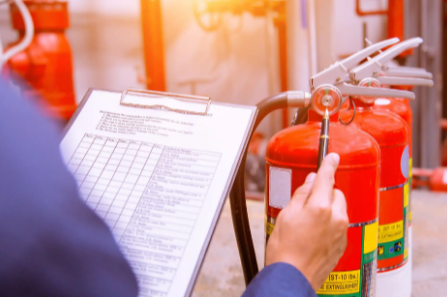
Fire safety is a crucial aspect of workplace, residential, and public safety. Conducting a thorough fire risk assessment is essential for identifying potential hazards, implementing preventive measures, and ensuring the safety of occupants and property. Following best practices in fire risk assessment allows organizations and individuals to minimize risks and maintain compliance with fire safety regulations. This article explores these best practices in detail and provides practical guidance to implement an effective fire safety strategy.
Understanding Fire Risk Assessment
A fire risk assessment is a systematic evaluation of the potential fire hazards within a property, the likelihood of those hazards causing harm, and the measures required to mitigate them. Its primary goal is to prevent fires and minimize the impact if a fire does occur.
A comprehensive fire risk assessment typically involves:
- Identifying fire hazards, including flammable materials, faulty wiring, or heating equipment.
- Evaluating the risks associated with these hazards.
- Implementing control measures to reduce or eliminate risks.
- Documenting findings and planning regular reviews to ensure continuous safety.
Best Practices in Fire Risk Assessment
Adhering to best practices ensures that fire risk assessments are thorough, effective, and legally compliant. The following are essential strategies for achieving optimal fire safety:
1. Identify and Evaluate Fire Hazards
The first step is to identify potential fire hazards, which may include:
- Combustible materials such as paper, chemicals, or textiles.
- Electrical equipment that may overheat or malfunction.
- Sources of ignition like open flames, heaters, or smoking areas.
Evaluating these hazards involves assessing how likely they are to cause a fire and the severity of potential consequences. This risk evaluation helps prioritize which hazards need immediate attention.
2. Assess People at Risk
Understanding who may be at risk during a fire is critical. This includes:
- Employees, visitors, or residents.
- Individuals with mobility issues or special needs.
- People in high-risk areas like kitchens, laboratories, or warehouses.
Knowing the vulnerable population helps in designing effective evacuation routes and emergency response plans.
3. Implement Fire Control Measures
Once hazards are identified, appropriate control measures should be implemented. Best practices include:
- Installing and maintaining fire detection and alarm systems.
- Ensuring availability of fire extinguishers and suppression systems.
- Establishing fire-safe storage for flammable materials.
- Keeping electrical systems well-maintained to prevent sparks or short circuits.
4. Develop and Practice an Emergency Plan
A fire risk assessment is incomplete without an actionable emergency plan. This plan should include:
- Clear evacuation routes and assembly points.
- Designated fire wardens or safety officers.
- Procedures for assisting vulnerable individuals.
- Regular drills to ensure everyone is familiar with evacuation procedures.
5. Train Staff and Occupants
Education is a key component of fire safety. Training programs should cover:
- Proper use of fire extinguishers and safety equipment.
- Recognizing fire hazards in the environment.
- Emergency response and evacuation procedures.
Regular training ensures everyone knows how to respond calmly and efficiently in case of a fire.
6. Conduct Regular Inspections and Maintenance
Fire hazards can change over time, so regular inspections are essential. Best practices include:
- Routine checks of fire alarms, sprinklers, and extinguishers.
- Inspection of electrical systems, heating equipment, and chemical storage areas.
- Updating the fire risk assessment whenever there are significant changes in the premises or activities.
7. Document and Review Assessments
Proper documentation is crucial for legal compliance and continuous improvement. The assessment should record:
- Identified hazards and risk evaluations.
- Implemented control measures and responsible personnel.
- Schedules for training, inspections, and emergency drills.
Reviews should be conducted at least annually or after major changes in the facility to ensure the assessment remains relevant and effective.
Read Also: Expert Mortgage Broker Providing Personalized Home Loan Solutions
Benefits of Following Best Practices
Implementing best practices in fire risk assessment provides multiple advantages:
- Reduces the likelihood of fire incidents and associated losses.
- Ensures legal compliance with fire safety regulations.
- Protects lives and reduces injuries.
- Enhances the organization’s reputation as a safe environment.
- Provides a systematic approach to identify and mitigate emerging fire hazards.
Conclusion
Fire risk assessment is a vital component of any safety management system. By following best practices in fire risk assessment, organizations and property owners can identify hazards, protect occupants, and minimize potential damage. Regular assessment, proper documentation, staff training, and emergency planning are essential elements that contribute to an effective fire safety strategy. Adopting these practices ensures that fire safety is not just a regulatory requirement but a proactive approach to protecting lives and property.
FAQs
Q1: How often should fire risk assessments be conducted?
A1: Fire risk assessments should be conducted at least annually and whenever there are significant changes in the premises, equipment, or activities.
Q2: Who should carry out a fire risk assessment?
A2: A competent person, such as a trained fire safety officer or consultant, should conduct the assessment to ensure thorough identification and mitigation of risks.
Q3: What are common fire hazards in workplaces?
A3: Common hazards include faulty electrical systems, combustible materials, heating equipment, open flames, and poor housekeeping practices.
Q4: How can staff be prepared for fire emergencies?
A4: Staff should receive training on fire safety, use of firefighting equipment, emergency evacuation procedures, and regular participation in fire drills.
Q5: What should be included in a fire emergency plan?
A5: A fire emergency plan should include evacuation routes, assembly points, roles and responsibilities, communication protocols, and procedures to assist vulnerable individuals.