When it comes to working in environments with physical hazards, the right footwear plays a crucial role in keeping you safe and comfortable. Among various options, safety boots stand out as a primary choice for workers who face risks like falling objects, sharp surfaces, or slippery floors.
Designed with durable materials, reinforced toes, and sturdy soles, these boots are essential for maintaining foot protection without compromising on comfort. Selecting the right pair involves considering not only safety features but also ergonomics, durability, and suitability for the specific work environment.
Understanding the Importance of Foot Protection
Most of the injuries that happen in the workplace involve the feet, either due to negligence or poor equipment. Foot protection is not only comfortable, but it can help to avoid serious accidents and ensure the workers’ ability to perform their work effectively. The factors leading to the importance of foot safety are:
- Heavy machinery operation
- Slippery or uneven surfaces
- Falling tools or materials Risk.
- Dangers of electricity in some working places.
According to the investment made by the employees and employers for safety boots, a large number of accidents can be minimized, which leads to improved productivity. The protection of the feet not only acts as a regulatory strategy in most industries, but also as a long-term strategy in safety.
Key Features to Look for in Durable Work Footwear
In choosing the working shoes, one must consider a number of factors. The most significant ones are the following:
- Reinforced toe caps: These are normally composed of steel to protect against falling objects.
- Non-slip soles: This is necessary as far as preventing accidents on wet floors or oily floors is concerned.
- Quality material: The quality of material used would be very strong and durable, as it would be leather or even synthetic material.
- Shock absorbing: Helps to eliminate fatigue and helps during long working hours.
- Waterproofing: This applies in the outdoor work or during wet conditions.
Such features in footwear allow the investor to make sure that the workers are properly safeguarded without being impeded by the footwear in either mobility or comfort. Properly designed boots also help to reduce the pressure on feet and legs in the long run due to their ergonomics.
Safety footwear for different industries
The workplaces are not similar, nor are the shoe requirements. The common types of protective shoes are:
- Steel-toe shoes: Ideal in construction and manufacturing sectors where items may get heavy and may fall.
- Composite toe shoes: The shoes are not as heavy as steel and can provide the same level of protection that can be utilized by electricians or those who need to be at the place with metal detectors.
- Waterproof boots: These are best on a muddy or wet day, like when doing outdoor building or farming.
The corresponding type will assist in preparing the workers to address the specific aspects of the working conditions, enhance the safety, and efficiency.
Maintenance Tips for Prolonging Footwear Life
It is important to protect the feet by having a good pair of footwear as well as maintaining them. With proper care, the usefulness of the boots may be prolonged, and the safety level may be preserved:
- Wash the boots regularly to remove dirt and debris.
- Waterproofing sprays are to be applied to keep the water out.
- Use new insoles/laces when they become worn out.
- Check soles and toe caps every now and then to check their condition.
It is through such practices that both employers and employees will be able to maintain their footwear, offering the maximum protection to them.
See also: How Chronic Hemorrhoids Treatment Can Improve Quality of Life
Technological Advancements in Protective Footwear
Advanced protective shoes have incorporated technology to provide comfort and safety. Some innovations include:
- Long-duration anti-fatigue soles.
- Dangerous electrically resistant material.
- Breathable antimicrobial linings to prevent smell and infection.
- The composite materials are light and do not cause much fatigue to their strength.
The developments have enabled protective footwear to be more efficient, adaptable, and appropriate to various working environments, which are safe and comfortable at the same time.
Selecting Footwear for Long-Term Investment
Quality protective shoes are an expenditure. The cheaper ones can save money at first, but are not always durable and comfortable, which means that they would need to be changed quite frequently, and even be unsafe. When choosing footwear:
- Take into account the first cost and durability.
- Evaluate warranty and support by manufacturers.
- Get the fit and the ergonomics, more importantly.
The quality of boots used can guarantee the workers’ protection at all times, and this means that there are no downtimes as a result of injury or replacement of the boots.
Training and Awareness on Foot Safety
Foot safety does not only entail having the right shoes, but also educating the staff on how to use them and take care of them. The training programs may involve:
- People should know how to lace their shoes to avoid falling.
- Consistent checking of boots to ensure that there is no damage.
- Knowledge about the various kinds of boots to use.
- Promotion of reporting of old, broken, or damaged footwear.
A better-informed workforce would be better placed to use the protection features of their shoes to the best, thereby minimizing the occupational risks.
Conclusion
Foot safety in the workplace is an important issue that must never be ignored. The right protective footwear will keep the employees safe from any risks and keep them comfortable even during work over long hours. Such characteristics as reinforced toe caps, soles that are not slippery, and ergonomic design are needed to attain maximum protection.
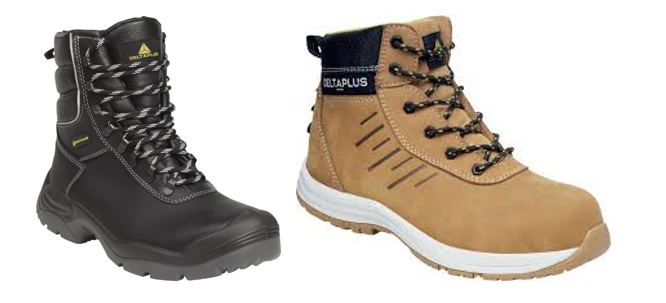
Investing in quality boots enables firms to decrease the number of accidents, increase the confidence of the workers, and show that the firms are very concerned with occupational health. To find quality and trusted products, look at reputed brands such as Delta Plus that provide quality, compliant, and ergonomic footwear that are durable and can suit various and multiple requirements in the industry. Their variety gives workers a chance to have safety boots that are protective, comfortable, and lasting.