Building design across commercial, industrial and residential sectors is undergoing a clear shift. Property owners and designers are paying closer attention to how spaces feel, not just how they function. Interiors that once relied heavily on artificial lighting are now being reassessed, with daylight seen as a defining feature of modern, responsible architecture. This change is strongly reflected in current search trends, where sustainability, wellbeing and smarter building performance continue to dominate interest.
Flat roof structures are central to this evolution. Traditionally valued for their simplicity and efficiency, these buildings are now being enhanced to create brighter and more engaging interiors. Solutions such as flat roof dome skylights are increasingly explored as a way to introduce natural light into areas that would otherwise remain enclosed, supporting both environmental goals and occupant comfort.
Why natural daylight matters today
The growing emphasis on daylight is rooted in both human and environmental considerations. Natural light improves visibility, reduces eye strain and helps people feel more alert and comfortable indoors. In workplaces, learning environments and shared residential spaces, this can influence mood, focus and overall satisfaction.
Beyond personal comfort, daylight supports a more balanced approach to building performance. Spaces that make effective use of natural light often feel more open and welcoming, reducing the sense of confinement that can occur in deep plan interiors. This is especially relevant for flat roof buildings, where side windows alone may not provide sufficient illumination.
Sustainability driving design decisions
Sustainability remains one of the most influential themes shaping the built environment. As organisations and developers respond to environmental expectations, reducing energy demand has become a key priority. Lighting is a major contributor to energy use in buildings, making daylighting strategies an important part of responsible design.
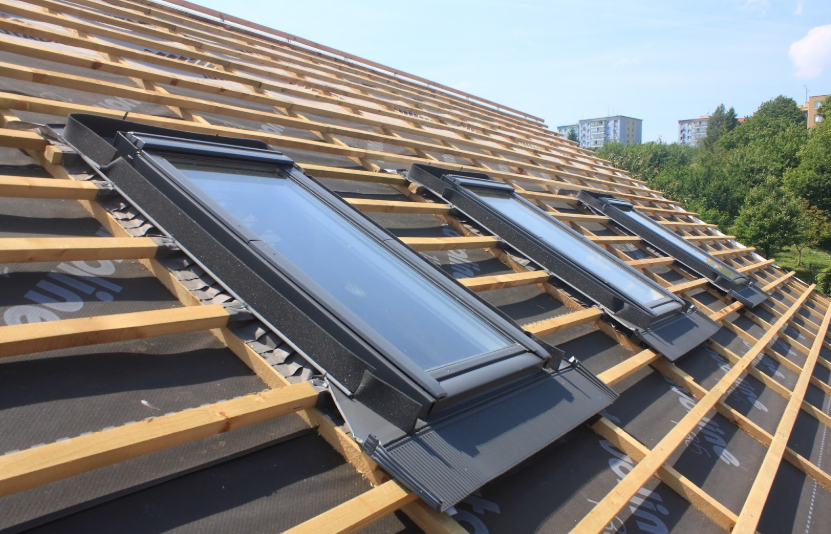
Roof based glazing allows interiors to benefit from daylight during occupied hours, easing reliance on artificial systems. When integrated with efficient insulation and modern controls, this approach supports a more environmentally considerate building without sacrificing usability or comfort. It reflects a broader trend towards designing spaces that work with natural resources rather than against them.
Supporting wellbeing through architecture
Wellbeing is no longer viewed as an added benefit but as a core design consideration. People spend a significant portion of their lives indoors, and the quality of those environments has a direct impact on physical and mental health. Access to daylight is closely linked to improved mood and a stronger connection to natural rhythms.
In flat roof buildings, dome shaped skylights introduce light from above, distributing it more evenly across interior spaces. This overhead illumination reduces harsh contrasts and shadows, creating a calmer atmosphere. Such environments are often perceived as more comfortable and inviting, reinforcing the role of thoughtful design in everyday wellbeing.
A natural fit for flat roof structures
Flat roofs are widely used in contemporary architecture due to their clean appearance and practical benefits. Incorporating daylight into these structures requires solutions that align with their design principles. Dome skylights are specifically suited to this purpose, sitting neatly within flat roof systems while delivering consistent light intake.
Their curved form allows them to capture daylight from different angles throughout the day. This makes them effective in a variety of settings, from commercial buildings and schools to communal residential areas. Designers value this adaptability, particularly when working with large roof spans that demand uniform lighting.
Transforming existing buildings
Refurbishment and reuse are increasingly popular approaches within the property sector. Many older flat roof buildings were designed with minimal consideration for daylight, resulting in interiors that feel outdated or inefficient. Introducing roof glazing offers a way to refresh these spaces without extensive structural change.
Adding daylight can significantly alter how an interior is experienced. Brighter spaces feel more modern and appealing, which can improve occupancy satisfaction and long term usability. This approach aligns with sustainable thinking by enhancing existing assets rather than replacing them.
Performance and long term reliability
Any addition to a roof must meet strict performance expectations. Modern dome skylight systems are designed to handle weather exposure while maintaining strong thermal performance and resistance to water ingress. Advances in materials and manufacturing have improved reliability, ensuring consistent performance over time.
Careful integration with the existing roof structure is essential. When properly specified and installed, roof glazing can enhance internal conditions without compromising the building envelope. This balance between performance and design is a key reason daylighting solutions continue to gain popularity.
Safety and regulatory alignment
Safety considerations remain fundamental in building design, particularly in larger or shared spaces. Roof glazing systems are now developed with regulatory requirements in mind, supporting safe operation and compatibility with building standards.
Considering daylighting early in a project allows designers to integrate these elements smoothly, avoiding conflicts between comfort and compliance. This proactive approach reflects current best practice, where safety, sustainability and user experience are addressed together rather than in isolation.
See also: Expert Mortgage Broker Providing Personalized Home Loan Solutions
The value of specialist knowledge
As interest in roof based daylighting grows, specialist expertise plays an increasingly important role. Working with experienced providers helps ensure that design intent translates into practical performance. Companies such as Skylights Roof Lanterns bring technical understanding that supports successful outcomes across a range of building types.
Specialist input helps address challenges such as roof detailing, light distribution and long term maintenance. This collaborative approach mirrors wider trends in the construction industry, where integrated solutions are valued for their ability to deliver lasting benefits.
Looking towards the future
Search trends suggest that demand for sustainable, people focused buildings will continue to rise. Flat roof structures, once seen as purely functional, are now part of this future vision. By introducing natural light, these buildings can become more adaptable, welcoming and aligned with modern expectations.
Daylighting solutions support this shift by enhancing both environmental performance and occupant experience. As design priorities continue to evolve, natural light will remain a defining feature of buildings that are designed to last.
Conclusion
The way flat roof buildings are designed and upgraded is changing. A stronger focus on sustainability, wellbeing and long term performance is influencing decisions at every level. Natural daylight sits at the heart of this transformation, helping interiors feel brighter, healthier and more connected to the outside world. With thoughtful design and trusted expertise such as Skylights Roof Lanterns, flat roof buildings can successfully meet the demands of a more responsible and people centred future.