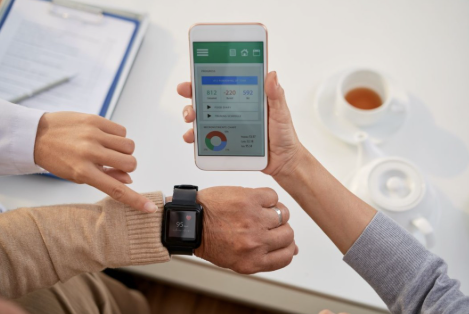
Healthcare delivery has entered a new era driven by digital transformation, patient convenience, and technological innovation. Today, telemedicine services are reshaping how individuals connect with healthcare professionals, manage chronic conditions, and maintain overall wellness without being physically present in a clinic. This shift has created a more patient-centered, flexible, and efficient healthcare experience that aligns with modern lifestyles.
As a forward-thinking wellness provider, Houston Injury and Wellness Clinic reflects the growing trend toward digital healthcare models that combine clinical expertise with accessible technology. From virtual consultations to digital wellness programs, remote healthcare platforms are redefining how patients receive care, follow up on treatments, and stay proactive about their health.
This article explores the latest trends, benefits, challenges, and future outlook of remote healthcare, offering a comprehensive understanding of how digital healthcare solutions are transforming the medical industry.
The Digital Transformation of Healthcare
Healthcare systems worldwide are evolving rapidly due to technological advancements and changing patient expectations. Traditional healthcare models relied heavily on in-person visits, manual documentation, and limited patient-provider communication. Digital healthcare has introduced a more dynamic and interactive approach.
Key Drivers of Digital Healthcare Evolution
- Advancements in Communication Technologies
Modern video conferencing, secure messaging platforms, and cloud-based systems enable seamless interactions between patients and healthcare providers regardless of location. - Growing Demand for Convenience
Patients today expect healthcare to fit into their schedules rather than adjusting their lives around clinic visits. Digital platforms provide flexibility and accessibility. - Integration of Digital Health Records
Electronic health records centralize patient data, allowing providers to make informed decisions quickly and efficiently. - Global Health Awareness and Accessibility
Remote healthcare solutions bridge gaps for individuals in rural or underserved areas who previously had limited access to medical care.
This transformation has made digital healthcare an essential part of modern medical practice rather than an optional service.
A Layered Framework for Remote Healthcare
Understanding remote healthcare through a layered structure helps clarify how it supports patients and providers at multiple levels.
Layer 1: Accessibility and Convenience
Accessibility is the foundation of digital healthcare, enabling patients to receive care from almost anywhere.
Ways Accessibility Has Improved
- Virtual Consultations and Video Visits
Patients can consult healthcare professionals through secure video platforms, allowing real-time discussions and assessments without travel. - Secure Messaging and Chat Platforms
Direct communication channels allow patients to ask questions, share updates, and receive guidance without scheduling full appointments. - Mobile Health Applications
Mobile apps provide appointment scheduling, reminders, health tracking, and educational content, all in one place. - 24/7 Digital Support Resources
Many platforms offer round-the-clock access to health information and digital support tools, enhancing patient autonomy.
This layer removes geographical and logistical barriers, making healthcare more inclusive and accessible.
See also: Why Working with a Bilingual Therapist Can Improve Your Mental Health Care
Layer 2: Personalized Patient Engagement
Personalization is a defining feature of modern digital healthcare. Remote platforms use data and interactive tools to tailor care experiences.
Elements of Personalized Engagement
- Continuous Health Monitoring Tools
Wearable devices and mobile sensors collect data on activity levels, sleep patterns, and vital signs, providing real-time insights. - Data-Driven Recommendations
Algorithms analyze patient data to provide personalized lifestyle suggestions, exercise plans, and wellness strategies. - Interactive Health Education Content
Videos, articles, and interactive modules educate patients about their conditions and preventive measures. - Custom Health Dashboards
Patients can view progress reports, set goals, and track health metrics through personalized dashboards.
This layer empowers patients to take an active role in their healthcare journey.
Layer 3: Integrated Wellness Ecosystem
Remote healthcare extends beyond medical consultations to a broader wellness ecosystem that supports physical, mental, and lifestyle health.
Components of an Integrated Wellness Ecosystem
- Virtual Mental Health Services
Digital counseling, therapy sessions, and stress management programs improve emotional well-being. - Lifestyle and Wellness Coaching
Remote coaches guide patients on nutrition, exercise, sleep hygiene, and stress reduction. - Preventive Health Assessments
Digital screenings and risk assessments help identify potential health issues early. - Rehabilitation and Recovery Programs
Virtual physical therapy sessions and guided exercises support recovery and injury prevention.
This layer ensures comprehensive, holistic healthcare rather than fragmented services.
Trending Topics in Remote Healthcare
Remote healthcare continues to evolve with emerging technologies and patient-centered innovations.
Artificial Intelligence in Digital Healthcare
Artificial intelligence is revolutionizing healthcare by enhancing diagnostics, patient communication, and care personalization.
AI Applications in Remote Care
- Virtual Health Assistants and Chatbots
AI-powered chatbots answer common questions, schedule appointments, and triage symptoms. - Predictive Health Analytics
AI analyzes patient data to predict potential health risks and suggest preventive actions. - Personalized Health Insights
Machine learning algorithms tailor recommendations based on individual health patterns and behaviors.
AI enhances efficiency and supports proactive healthcare management.
Wearable Technology and Remote Monitoring
Wearable devices have become essential tools for continuous health monitoring and patient engagement.
Popular Wearable Applications
- Activity and Fitness Tracking
Tracks steps, exercise intensity, and calorie expenditure to support active lifestyles. - Sleep and Recovery Monitoring
Analyzes sleep stages and recovery patterns to improve overall health. - Vital Sign Monitoring
Measures heart rate, oxygen saturation, and other physiological metrics for early detection of health changes.
Wearables create a continuous feedback loop between patients and providers.
Virtual Mental Health Support
Digital mental health platforms have expanded access to psychological support and reduced stigma.
Digital Mental Health Solutions
- Online Counseling Sessions
Secure video sessions with licensed therapists and counselors. - Mindfulness and Meditation Platforms
Guided meditation, breathing exercises, and stress management tools. - Digital Cognitive Behavioral Therapy Programs
Structured digital programs to support emotional and behavioral health.
Remote mental health tools promote emotional resilience and accessibility.
Hybrid Healthcare Models
Hybrid models combine in-person visits with digital consultations to offer flexible care options.
Benefits of Hybrid Models
- Seamless Continuity of Care
Patients receive consistent support across digital and physical platforms. - Flexible Patient Choices
Individuals choose the most convenient method for each healthcare need. - Enhanced Monitoring and Follow-Up
Digital tools complement in-person assessments and ongoing monitoring.
Hybrid models represent the future of patient-centered healthcare delivery.
Key Benefits of Remote Healthcare for Patients
Remote healthcare offers transformative benefits that improve patient experience and engagement.
Convenience and Flexibility
Patients can access healthcare services without leaving home.
Convenience Features
- Online Appointment Scheduling Systems
Digital platforms allow easy booking and rescheduling. - Virtual Follow-Up Visits
Quick check-ins for progress updates and treatment adjustments. - On-Demand Health Education Resources
Access to digital libraries of health content and tutorials.
Improved Continuity of Care
Continuous communication ensures consistent healthcare support.
Continuity Tools
- Secure Patient-Provider Messaging
Direct communication channels improve responsiveness. - Centralized Digital Health Records
Easy access to medical history and treatment plans. - Automated Health Reminders
Alerts for appointments, medication schedules, and wellness activities.
Empowered Patient Participation
Digital tools encourage patients to actively manage their health.
Empowerment Strategies
- Health Tracking Dashboards
Visual reports showing progress and health trends. - Educational Content Libraries
Articles, videos, and tutorials for patient education. - Goal-Setting and Progress Tracking Tools
Digital platforms that support personalized health goals.
Benefits for Healthcare Providers
Remote healthcare also enhances clinical workflows and provider efficiency.
Streamlined Clinical Operations
Digital platforms reduce administrative tasks and improve efficiency.
Operational Enhancements
- Electronic Documentation Systems
Simplified record-keeping and data retrieval. - Automated Scheduling and Notifications
Reduces manual scheduling and patient no-shows. - Centralized Communication Channels
Streamlined patient communication across platforms.
Data-Driven Clinical Decision Making
Data analytics enhances clinical insights and personalized care.
Data Utilization Strategies
- Patient Health Analytics
Identifies trends and potential health risks. - Outcome Tracking Tools
Measures effectiveness of treatment plans. - Personalized Care Recommendations
Tailors interventions based on patient data.
Ethical and Privacy Considerations
Digital healthcare requires strong privacy and ethical frameworks to protect patient data.
Data Security and Privacy
Protecting sensitive health information is critical.
Security Measures
- Encrypted Communication Channels
Secure video and messaging platforms. - Access Control Systems
Restricted access to authorized personnel only. - Compliance with Data Protection Standards
Adherence to healthcare data regulations and privacy laws.
Ethical Use of Health Data
Ethical practices ensure responsible use of digital health data.
Ethical Guidelines
- Transparency in Data Usage
Clear communication about how patient data is used. - Informed Patient Consent
Patients approve data collection and sharing. - Responsible AI Implementation
Ethical oversight of AI-driven healthcare tools.
The Future of Digital Healthcare
Remote healthcare continues to evolve with emerging technologies and global adoption.
Emerging Innovations
Future advancements will further enhance digital healthcare capabilities.
Innovations to Watch
- Virtual Reality-Based Healthcare Experiences
Immersive therapy and education platforms. - Digital Twin Technology in Healthcare
Personalized health simulations using patient data. - Advanced Predictive Health Models
AI-driven tools for preventive healthcare forecasting.
Global Expansion of Digital Healthcare
Digital platforms are expanding worldwide, improving global healthcare access.
Global Impact Areas
- Remote and Rural Healthcare Accessibility
Expanding care to underserved populations. - International Health Collaboration
Cross-border consultations and knowledge sharing. - Digital Health Education Platforms
Online training for healthcare professionals globally.
Conclusion
The digital healthcare revolution is transforming how patients and providers interact, manage health data, and deliver care. By leveraging telemedicine services, healthcare systems can provide personalized, accessible, and efficient care that aligns with modern lifestyles. From AI-powered insights to wearable monitoring and hybrid care models, remote healthcare is redefining the future of patient-centered wellness and medical support. Contact us today to learn more about innovative digital healthcare solutions and how they can enhance your health and wellness journey.