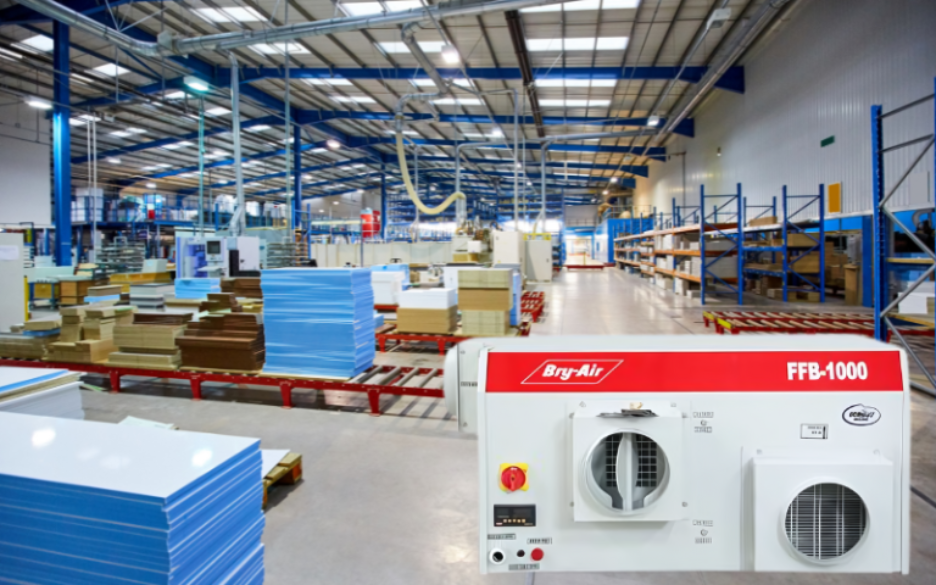
In modern climate control, managing both temperature and humidity is not just about comfort, it’s essential for health, productivity, and process integrity. Too often, people only think about heating or cooling a space without considering the underlying moisture levels in the air. But by combining effective heating and dehumidification, you can achieve a truly balanced and healthy indoor environment. This article explores how these two systems work together, why they matter, and how TDS Asia delivers industry-leading solutions based on this synergy.
Understanding the Basics: Temperature vs. Humidity
Before diving deeper into heating and dehumidification, let’s define the two main climate parameters:
- Temperature refers to how warm or cool the air feels — typically measured with a dry-bulb thermometer.
- Humidity refers to the amount of water vapor in the air. Relative humidity (RH) expresses this as a percentage of the total amount of moisture the air can hold at a given temperature.
These two parameters are intrinsically linked. Warm air can hold more moisture than cool air. Consequently, when air is heated, its capacity to hold water increases — but the absolute moisture may stay the same, resulting in lower relative humidity. Too much humidity leads to discomfort, mold growth, and poor indoor air quality. Too little humidity can cause dry skin, irritation, and static build-up in sensitive environments.
This is where the combined approach of heating and dehumidification becomes powerful: not only can you control temperature, but you can also fine-tune humidity levels for optimal conditions.
How Heating and Dehumidification Work Together
Heating systems elevate indoor air temperature to keep spaces warm and comfortable. Dehumidifiers work to extract excess moisture from the air, reducing relative humidity. When paired intelligently, heating and dehumidification form a coordinated strategy for air quality control.
Here’s how they complement each other:
- Temperature control first: Heating changes the energy content of the air and affects its moisture-holding capacity.
- Dehumidification next: Removing moisture from warmer air is more effective because warm air holds more moisture — but the key is managing this process efficiently.
By integrating both systems, you avoid scenarios where heating alone makes the air feel dry without actually removing moisture, or where dehumidification cools the air too much, leading to inefficient temperature management.
The Role of Dehumidifiers
Dehumidifiers are devices engineered to remove water vapor from the air. Different technologies exist:
- Cooling coil dehumidification: Moist air passes over a cooled surface where water condenses and is collected.
- Desiccant dehumidification: Moisture is absorbed by a hygroscopic material (like a desiccant wheel), which is then regenerated to repeat the cycle.
Modern dehumidifiers can operate with high energy efficiency, extracting moisture while minimizing power consumption. This makes them ideal for residential, commercial, and industrial applications where humidity control is critical.
See also: The Future of Technology: Predictions and Possibilities
Why Controlling Humidity Matters
Controlling humidity isn’t just about comfort. The impact of humidity extends into many domains:
1. Health and Comfort
Excessive humidity creates a breeding ground for mold, mildew, and dust mites. These contribute to respiratory problems, allergies, and a general sense of discomfort. Dehumidification helps maintain safe humidity levels that improve indoor air quality and support overall health.
2. Industrial Processes
In many industrial environments — such as manufacturing plants, textile facilities, and electronics production — precise humidity control is crucial for product quality and equipment performance. Moisture can warp materials, corrode metals, and interfere with sensitive machinery.
3. Protection of Assets
Humidity control protects physical assets like archive materials, art collections, machinery, and electronics. Keeping humidity within specified limits prevents rust, rot, and degradation over time.
4. Construction, Painting, and Surface Prep
During surface preparation (like blasting, coating, and painting), uncontrolled humidity and temperature can lead to defects like blistering, poor adhesion, and flash rust. Maintaining stable conditions ensures high-quality finishing.
The Dehumidification Process Explained
Dehumidification is fundamentally about extracting water vapor from the air. This can be done through cooling or desiccant systems:
Cooling Dehumidifiers
These draw moist air over cold coils where water condenses and is collected. This method works well in moderate conditions but can be less efficient when very low humidity is required.
Desiccant Dehumidifiers
These use materials that are highly effective at adsorbing moisture even under challenging conditions. Desiccant systems are particularly effective in industrial applications where very low relative humidity is needed — sometimes as low as 1%.
In both technologies, the goal is to reduce the dew point and manage latent heat — the energy associated with changing water vapor into liquid. Through this process, not only is moisture removed, but temperature stabilization can also occur, improving overall climate control.
Heating’s Role in Moisture Management
Adding heat to moist air increases its capacity to hold water, which can make dehumidification more efficient if managed properly. When warm air enters a dehumidifier, the moisture removal process becomes more effective because the air’s capacity to hold water is higher.
However, heat also affects energy consumption. Effective climate control systems balance heating and dehumidification energy loads, optimizing both comfort and efficiency. In some advanced systems, reheating is used after dehumidification to ensure supply air meets both comfort and humidity targets.
TDS Asia’s Approach to Climate Control
TDS Asia specializes in engineered climate control solutions that bring together heating, dehumidification, and ventilation — especially for challenging environments. With decades of experience, TDS Asia combines technical expertise and advanced equipment to deliver tailored solutions across industries.
Expertise Across Industries
From oil and gas facilities to pharmaceutical labs, from shipbuilding to food processing, TDS Asia supports environments where precise humidity and temperature control are essential. Whether the requirement is short-term dehumidification for a specific project or ongoing climate control within complex industrial processes, their solutions are engineered for reliability and performance.
Rental and Engineered Services
TDS Asia offers customized packages including desiccant dehumidifiers, condensing units, blowers, and supporting accessories. This enables clients to achieve ideal conditions even when existing infrastructure falls short. The focus is not just on equipment, but on the engineering knowledge and onsite expertise required to implement effective climate control.
Confined Spaces and Special Conditions
Work within confined areas presents unique challenges — high humidity, extreme temperatures, and restricted ventilation. TDS Asia’s climate services create safer, more comfortable conditions for maintenance, inspection, and repair activities in these environments.
Emergency and Restoration Services
Beyond routine climate control, TDS Asia provides emergency dehumidification and drying services for water damage restoration. Quick and effective moisture removal can mean the difference between salvaging assets or incurring significant losses.
The Benefits of Combined Heating and Dehumidification
When heating and dehumidification are integrated effectively, the results are transformative:
- Balanced indoor environments that are both comfortable and healthy
- Improved process consistency in industrial applications
- Reduced risk of mold, corrosion, and structural damage
- Enhanced performance of coatings and surface treatments
- Greater energy efficiency through optimized load management
For designers, facility managers, and HVAC professionals, understanding this synergy is key to delivering high-quality results for clients and occupants alike.
Conclusion: A Strategic Climate Co ntrol Partnership
Heating and dehumidification are not isolated HVAC components — they’re partners in achieving optimal indoor environments. By understanding how temperature and humidity interact, and by applying tailored solutions such as those offered by TDS Asia, you can ensure air quality, comfort, and operational success across a wide range of environments.
Whether your goal is healthier indoor air, protected production lines, or precise control for sensitive materials, combining heating and dehumidification is a strategic approach that delivers measurable benefits.