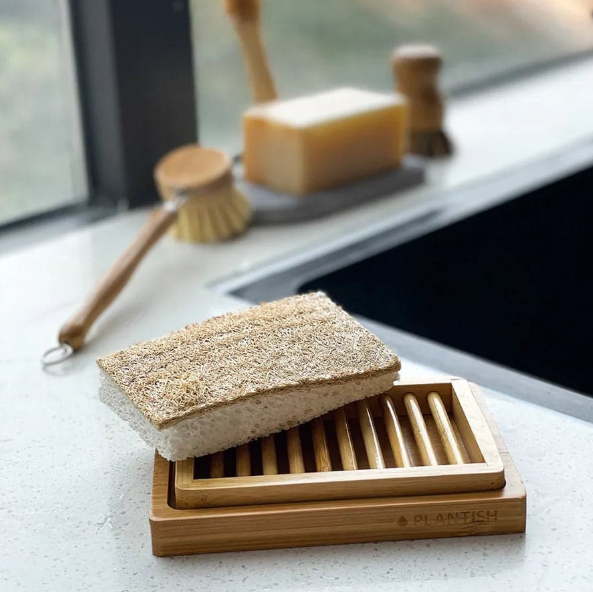
Maintaining a clean kitchen is essential for hygiene and efficiency. One of the most common tools for keeping dishes, utensils, and cookware clean is a sponge for dishes. Using a high quality sponge for dishes ensures that cleaning tasks are performed effectively while reducing effort and time. A well chosen sponge can improve the removal of food residue, grease, and stains from various surfaces, enhancing the overall efficiency of a kitchen cleaning routine. Understanding how a sponge works and its benefits helps make it a practical addition to daily cleaning habits.
Sponge design and material influence its effectiveness, durability, and comfort during use. Different types of sponges are suitable for specific tasks, from gentle cleaning of delicate dishes to tougher scrubbing of cookware. Choosing the right sponge ensures that cleaning becomes faster, easier, and more thorough, ultimately supporting a more organized and hygienic kitchen environment.
Why Does Choosing the Right Sponge Matter?
Selecting the appropriate sponge matters because it directly affects cleaning performance and efficiency. A low quality or inappropriate sponge may leave residue behind, fail to remove grease effectively, or even damage sensitive surfaces. The right sponge provides sufficient scrubbing power without causing scratches, ensuring that dishes, glasses, and cookware remain in excellent condition over time.
A properly selected sponge also contributes to better hygiene. Sponges that are durable, quick drying, and easy to clean help reduce bacterial buildup, which can occur when sponges remain damp for long periods. Choosing the correct sponge promotes cleanliness while making daily kitchen tasks easier and more effective.
What Are the Different Types of Sponges for Dishes?
Sponges for dishes come in a variety of materials, textures, and designs, each serving a distinct purpose. Some are soft for gentle cleaning, while others are designed for heavier scrubbing tasks. Identifying the type of cleaning task you perform most frequently helps in selecting the sponge that best meets your needs.
For general dishwashing, sponges with a combination of absorbent and scrubbing layers are ideal. These sponges provide the ability to soak up water and soap while tackling sticky residue efficiently. Specialized dishwasher sponges offer durability and enhanced scrubbing features, making them suitable for more frequent or challenging cleaning tasks.
How Can a Sponge Improve Cleaning Efficiency?
A sponge improves cleaning efficiency by combining absorption, scrubbing, and reach into a single tool. The absorbent layer holds water and soap, allowing for more consistent lather and coverage across surfaces. The scrubbing layer targets tough residue, reducing the need for excessive force or repeated cleaning passes.
Using a well designed sponge allows for quicker and more thorough cleaning. The texture and flexibility of the sponge help it reach into corners, edges, and grooves that are difficult to clean with flat tools. This reduces cleaning time and ensures that all surfaces are treated effectively.
What Features Should You Look for in a Sponge?
When choosing a sponge for dishes, certain features enhance both effectiveness and usability. Absorbency is important for holding soap and water, while a firm scrubbing layer helps tackle stuck on food. The sponge should also be comfortable to hold, allowing for long cleaning sessions without hand fatigue.
Durability is another key factor. High quality sponges maintain their shape and performance after repeated use and washing. A good sponge also dries quickly to prevent bacterial growth and maintain hygiene over time.
Should You Use Sponges for Delicate Dishes?
Delicate dishes, such as glassware or nonstick cookware, require gentle cleaning. Sponges designed with a soft layer are ideal for these surfaces because they remove dirt without scratching. A dual layer sponge allows one side to be soft for delicate items and another side for tougher residue.
Selecting a sponge that balances soft and firm surfaces ensures versatility. You can clean delicate items without concern while still having the option to tackle heavier scrubbing when needed.
How Often Should You Replace Your Sponge?
Replacing a sponge regularly is essential for hygiene and efficiency. Sponges that are worn, frayed, or retain odor are less effective and can harbor bacteria. Depending on usage, sponges may need to be replaced every few weeks to maintain cleanliness and performance.
Proper storage and cleaning between uses can extend the lifespan of a sponge, but monitoring condition and replacing as necessary ensures optimal performance.
See also: Reliable House Gutter Replacement Solutions in Newcastle
How Do You Maintain a Sponge for Long Lasting Use?
Maintaining a sponge involves rinsing it thoroughly after each use to remove food particles and residue. Squeezing out excess water and allowing it to dry completely prevents bacterial growth and preserves the sponge’s structure. Some sponges can also be sanitized periodically using hot water to extend usability.
Regular maintenance ensures the sponge remains effective for longer periods, reducing waste and improving efficiency in daily cleaning routines.
Can a Sponge Reduce Cleaning Time?
A well chosen sponge can significantly reduce the time spent on dishwashing. The combination of absorbent layers and scrubbing surfaces allows for more efficient cleaning with fewer passes. Its flexibility enables access to hard to reach areas, cutting down on repetitive scrubbing.
Using a quality sponge ensures that cleaning tasks are completed thoroughly and efficiently, freeing up time for other household activities while maintaining a high level of hygiene.
Are Eco Friendly Sponges Worth Considering?
Eco friendly sponges offer sustainable alternatives to conventional synthetic sponges. They are often made from biodegradable or renewable materials, reducing environmental impact. Using these sponges supports responsible consumption while maintaining the cleaning power required for daily kitchen tasks.
Reusable and durable eco friendly sponges provide long term value, helping reduce both waste and cost over time. Choosing environmentally conscious sponges aligns with modern sustainable living practices.
Conclusion
A sponge for dishes can improve a cleaning routine by enhancing efficiency, reducing effort, and supporting hygiene. Choosing the right sponge involves considering absorbency, scrubbing capability, durability, and comfort. Proper maintenance and regular replacement ensure consistent performance and long term cleanliness. By selecting thoughtfully designed dish washing and dishwasher sponges and exploring eco friendly options, you can streamline your kitchen cleaning routine while supporting sustainability. Discover high quality cleaning solutions from Plantish Future to create a more effective, hygienic, and environmentally responsible kitchen.