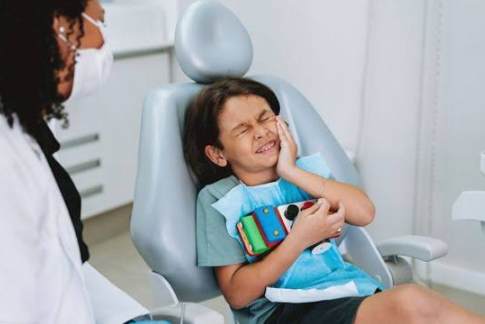
You pack the water bottle, find the shin guards, sign the waiver, and get everyone out the door on time. Then a child comes home with a chipped tooth, jaw pain, or a mouth sore from a poorly fitted mouthguard, and one more thing lands on your list. Sports and activities are good for kids, but they also bring a real risk to teeth, gums, and the mouth. When schedules are already tight, coordinating dental care for children in sports and activities with an Anchorage dental professional can feel like one more problem you did not plan for.
The hard part is that dental issues in active kids are not always dramatic. Sometimes it is a clear injury after a fall or collision. Sometimes it is grinding during games, dry mouth from heavy breathing, braces rubbing during practice, or repeated small hits that slowly turn into pain. The goal is not to make sports feel risky. It is to make dental care part of the routine, the same way you already think about helmets, physicals, and rest days.
Sports and activity schedules can hide dental problems
Children who play contact sports, ride bikes, tumble, skate, or even take part in noncontact activities still face dental risks. A hit to the face can crack a tooth, loosen it, cut the lips, or injure the jaw. The Centers for Disease Control and Prevention has long included mouth protection in sports injury prevention guidance, especially for activities with collision or fall risk. Their recommendations on sports related injury prevention support protective gear as part of safer play, including oral protection when the sport calls for it. You can review that guidance through the CDC sports injury prevention recommendations.
What makes this stressful is timing. A child may say they are fine because they do not want to miss a game. A coach may notice swelling after practice. You may not see a problem until dinner, when chewing hurts, or the next morning, when a tooth has changed color. Delayed care can turn a manageable issue into a longer treatment plan, more missed school, and more cost.
Children with braces or other appliances need even closer attention. A mouthguard that fit last season may not fit now. Sores from rubbing can make a child stop wearing it, which removes the protection you thought they had. The National Institute of Dental and Craniofacial Research outlines common oral conditions in children, including injuries and problems that can affect eating, speaking, and comfort, in this guide to oral conditions in children.
See also: How Chronic Hemorrhoids Treatment Can Improve Quality of Life
Youth sports dental care works best when prevention and response are planned together
Most parents think about the dentist after an injury. That matters, but it is only half the job. Prevention starts before the season does. A family dentist can check for loose primary teeth, weak enamel, orthodontic concerns, gum irritation, and signs that a custom or properly fitted mouthguard would help. That visit also gives you a clear baseline, which is useful if an injury happens later.
Response planning matters just as much. If a permanent tooth gets knocked out, minutes count. If a tooth fractures, quick care can protect the nerve and improve the chance of saving more of the natural tooth. Recent reporting from Tufts highlights how fast action after sports related dental injuries can protect both oral health and overall recovery. Their summary on keeping your head and your teeth after sports related dental injuries explains why prompt evaluation matters.
There is also the less visible side of the problem. Some children breathe through the mouth during activity, which can increase dryness and discomfort. Some snack on sticky or acidic foods between practices, then skip brushing because everyone gets home late. Over time, that can raise cavity risk. CDC oral health surveillance has tracked the burden of oral disease in children and shows that dental problems are common enough to treat prevention as routine, not optional. Their data collection can be explored through the CDC oral health surveillance report.
Dental care for active children is easier when expectations are clear
| Situation | Handle at Home | Call a Family Dentist | Urgency |
|---|---|---|---|
| Mild lip or cheek bite from play | Rinse with water, apply cold compress, watch for swelling | If bleeding continues, pain worsens, or there is a deep cut | Same day if symptoms persist |
| Chipped tooth with no pain | Save any piece you find, rinse the mouth, avoid hard foods | Yes | Prompt visit within 24 hours |
| Loose or displaced tooth after impact | Do not force it back into place | Yes | Urgent, same day |
| Permanent tooth knocked out | Pick it up by the crown, keep it moist in milk or saliva if possible | Yes | Emergency, immediate care |
| Mouthguard rubbing or poor fit | Stop using the damaged guard | Yes | Before next practice or game |
This is where sports dental care for kids becomes practical instead of overwhelming. You do not need to predict every accident. You need a simple plan, a dentist who knows your child’s activity level, and gear that still fits the mouth your child has now, not the one they had six months ago.
Small steps make family dentist support easier to use
Schedule a pre season dental check. Book a visit before sports ramp up, especially if your child plays contact sports or wears braces. Ask about mouthguard fit, weak spots in enamel, and any signs of grinding, clenching, or jaw stress.
Create a short injury plan. Save your dental office number in your phone, tell caregivers where it is, and keep a small kit with gauze, a clean container, and cold packs. If your child loses a permanent tooth, speed matters more than perfect technique.
Check gear and habits every few weeks. Look at the mouthguard for wear, ask if it still feels comfortable, and pay attention to complaints that sound small. A child saying “it only hurts when I bite” is often telling you enough to act.
Protecting your child’s smile should fit real family life
You are not overreacting by treating dental care as part of sports planning. Teeth, gums, and jaw injuries affect comfort, confidence, school days, and the ability to keep playing. A family dentist can help you build a routine that matches your child’s schedule instead of adding chaos to it.
When you are coordinating practices, games, school, and everything else, support matters. Make dental care part of the season plan and get help early when something feels off.