School can be challenging for children. They are expected to listen carefully, complete assignments, follow classroom rules, manage emotions, work with classmates, and keep trying even when a lesson becomes difficult. While academic support is important, children also benefit from activities that help them develop habits they can use in everyday life.
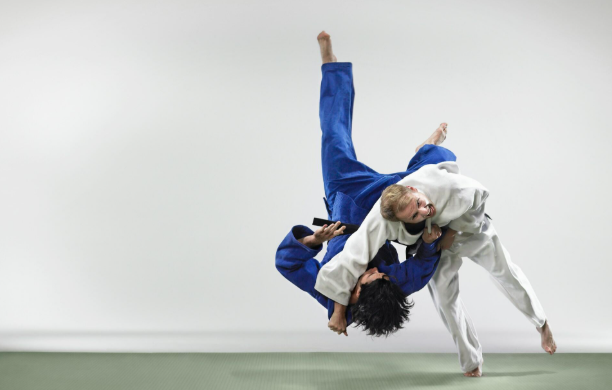
Martial arts can be one such activity. Through structured practice, children learn to follow instructions, repeat skills, set goals, respect others, and remain patient while improving. Research on school-based martial arts has found potential benefits for attention and self-regulation, although results can vary depending on the program and training environment.
For parents considering Kids martial arts classes, understanding how training may connect with school behavior can help them decide whether martial arts is a suitable activity for their child.
Martial Arts Teaches Children to Pay Attention
Focus is one of the first skills children practice in martial arts.
During a class, students need to listen to the instructor and watch demonstrations carefully. They may have to remember the order of several movements and perform them correctly.
A child who becomes distracted can easily miss an important part of the lesson. Over time, regular practice can encourage children to pay closer attention to instructions.
This skill can also be useful in school. When children become more comfortable with listening, observing, and following multi-step directions during training, they have another environment in which to practice focused attention.
Repetition Helps Develop Patience
Children do not master a martial arts technique after seeing it once.
They may practice the same movement many times before it feels natural. Sometimes progress is slow, and a child may need several classes to understand a particular technique.
This teaches an important lesson: improvement takes time.
The same idea applies to schoolwork. A child may not understand a difficult math problem, reading concept, or science topic immediately. Learning to stay patient and keep practicing can help children approach challenging school tasks with a more positive attitude.
Martial Arts Creates a Structured Environment
Children often respond well to clear routines.
A well-organized Kids martial arts classes may have a predictable structure that includes warm-ups, technique practice, drills, physical conditioning, and a closing routine. Students learn what is expected of them and how they should behave during each part of the session.
This structure can reinforce habits such as:
- Listening before acting
- Waiting for instructions
- Following rules
- Taking turns
- Respecting personal space
- Completing tasks
- Staying committed to practice
These habits can be valuable in the classroom because school also requires children to work within rules and routines.
Discipline Comes From Consistency
Discipline is not simply about telling a child what to do. Children gradually develop discipline by practicing good habits consistently.
Martial arts provides regular opportunities to do this.
A child may need to attend classes every week, practice techniques at home, remember training rules, and continue working toward a new skill even when progress feels slow.
This can teach children that their goals are connected to their daily actions.
For example, moving toward a new belt may require weeks or months of consistent effort. The child begins to understand that achievement is usually the result of small actions repeated over time.
Confidence Grows Through Small Achievements
Confidence can develop when children experience progress for themselves.
A beginner may initially struggle with balance, coordination, or remembering techniques. With practice, the same child may eventually perform those skills successfully.
Each improvement can provide a small sense of accomplishment.
Children may begin to think:
- “I can learn difficult things.”
- “I can improve if I practice.”
- “Making mistakes is okay.”
- “I should keep trying.”
This type of confidence can be useful at school. A confident child may be more willing to raise a hand, participate in activities, attempt challenging assignments, or try something new.
Children Learn That Mistakes Are Normal
Martial arts gives children plenty of opportunities to make mistakes.
They might forget a movement, step incorrectly, lose balance, or struggle to remember a combination. A good instructor does not treat these moments as reasons for embarrassment. Instead, mistakes become part of the learning process.
This can help children develop a healthier attitude toward failure.
School also involves mistakes. A wrong answer on a test or an unfinished assignment does not mean a child cannot improve. Children who understand this can learn to use mistakes as feedback rather than seeing them as proof that they are incapable.
Goal Setting Becomes Easier
Martial arts often provides children with clear milestones.
Depending on the program, students may work toward:
- Learning a new technique
- Improving physical skills
- Completing a training level
- Earning a new belt
- Performing a sequence correctly
- Becoming more consistent during practice
These goals give children something specific to work toward.
Parents can connect this habit to school by helping children create realistic academic goals. Instead of saying, “I need better grades,” a child might set a smaller goal such as completing homework before screen time or practicing spelling for fifteen minutes each day.
Learning how to break a large goal into smaller steps is useful in both environments.
Martial Arts Can Encourage Better Self-Control
Children are still learning how to manage emotions and impulses. Martial arts can provide a structured setting where they practice controlling their movements and responding appropriately to instructions.
Students are expected to use techniques responsibly and respect their training partners.
This is important because martial arts should not teach children that physical strength is a way to solve everyday disagreements. Instead, responsible programs emphasize control, safety, respect, and appropriate behavior.
Self-control learned through practice can support positive behavior in different situations, although martial arts should not be viewed as a guaranteed solution for behavioral or academic difficulties.
Respect Is Part of the Training Culture
Respect is commonly emphasized in martial arts classes.
Children may learn to show respect toward instructors, classmates, training partners, and the training environment. They also learn that everyone starts at a different level.
A beginner might practice beside a more experienced student without being expected to perform at the same level.
This can teach children to appreciate effort and progress rather than simply judging others by their abilities.
Respectful behavior is equally important at school, where children interact with teachers, classmates, and other members of the school community.
Physical Activity Can Support Learning Habits
Martial arts is also a form of physical activity.
Training may involve running, jumping, kicking, punching drills, balance exercises, stretching, and bodyweight movements. Regular physical activity is important for children’s overall health and can make an active hobby more engaging than simply sitting indoors.
For some children, the combination of physical movement and mental concentration is particularly appealing.
Instead of separating exercise and learning completely, martial arts brings both together. Children move their bodies while also remembering instructions, solving movement problems, and practicing self-control.
Martial Arts Can Make Learning More Engaging
Some children struggle to remain interested in activities that involve sitting still for long periods.
Martial arts offers a different learning environment. Children are physically involved in the lesson, and activities can change from one drill to another.
They may watch a demonstration, practice individually, work with a partner, and then apply a skill during a controlled activity.
This variety can make learning feel active and rewarding.
A systematic review published in 2026 found promising evidence that some martial arts programs may support attention, self-regulation, and selected cognitive or motor outcomes in children, while also noting that the evidence is varied and does not establish martial arts as superior to every other physical activity.
Social Skills Can Develop Alongside Confidence
Martial arts is often practiced in groups, giving children regular opportunities to interact with other students.
They may need to:
- Take turns
- Work with different partners
- Listen to classmates
- Encourage others
- Respect boundaries
- Cooperate during drills
These experiences can help children become more comfortable interacting with others.
For a shy child, joining Kids martial arts classes can provide a structured way to participate socially without requiring the child to immediately take a major leadership role.
Parents Should Choose the Right Training Environment
Not every martial arts program has the same teaching style. The instructor and overall environment can make a significant difference in a child’s experience.
Parents should look for a program where:
- Instructors are patient with children
- Classes are appropriate for the child’s age
- Safety is taken seriously
- Students are treated respectfully
- Rules are explained clearly
- Children are encouraged without excessive pressure
- Physical contact is controlled and age-appropriate
- Beginners receive proper instruction
A positive environment should challenge children while still making them feel safe and supported.
Martial Arts Should Complement School, Not Replace It
Martial arts can support habits that are useful at school, but it should not be presented as a replacement for academic support.
If a child is struggling with concentration, behavior, learning, or confidence, parents should consider the full situation. Teachers, school staff, parents, and other appropriate professionals may also have important insights.
Martial arts can be one part of a child’s overall development.
The strongest results are likely to come when training is combined with healthy routines, adequate sleep, supportive parenting, good nutrition, and appropriate academic guidance.
Every Child May Respond Differently
It is important to remember that children are individuals.
Some children may become more engaged and confident through martial arts, while others may prefer swimming, gymnastics, team sports, dance, or another activity. Research also shows that outcomes can differ depending on the martial art, instructor, program design, age group, and training environment.
The goal should not be to force every child into martial arts.
Instead, parents can introduce children to different activities and observe which environments encourage them to participate, learn, and enjoy themselves.
What Parents Can Reinforce at Home
The lessons children practice in martial arts can become more meaningful when parents reinforce similar habits at home.
For example, parents can encourage children to:
- Finish one task before moving to another
- Practice difficult skills instead of giving up
- Set small and realistic goals
- Treat mistakes as learning opportunities
- Speak respectfully to others
- Follow daily routines
- Celebrate progress rather than perfection
These simple habits can connect the lessons of martial arts with everyday school life.
Conclusion
Martial arts can give children more than physical exercise. A well-structured program can provide regular opportunities to practice attention, patience, discipline, confidence, self-control, goal setting, and respectful interaction.
These qualities can be useful in the classroom, where children are expected to listen, complete tasks, manage distractions, work with others, and continue learning when something feels difficult.
For parents considering Kids martial arts classes, the quality of the program matters just as much as the martial art itself. A supportive instructor, safe environment, age-appropriate training, and positive teaching approach can help children enjoy the experience while developing habits that may benefit them at school and in everyday life.