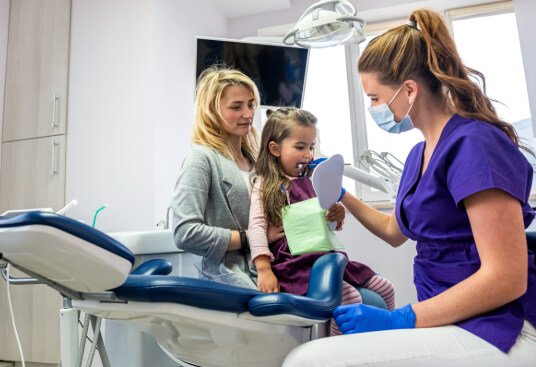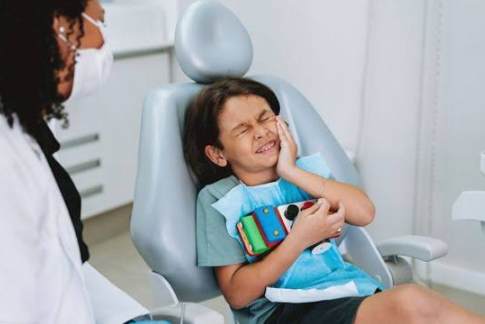
You may already know the pattern. A routine orthodontic visit is on the calendar, and the stress starts days before. Your child may do well at home, then shut down in a bright office, panic when someone touches their mouth, or feel overwhelmed by sounds, smells, and the pressure to sit still. That does not mean your child is being difficult, and it does not mean orthodontic care is out of reach. It means the visit needs to fit your child, not the other way around. With the right support, orthodontic care for kids in Peekskill can feel more manageable for both you and your child.
How pediatric dentists manage sensory needs during ortho visits comes down to preparation, pacing, and trust. A pediatric dentist and orthodontist who understands sensory differences will often adjust the environment, change how they communicate, and break treatment into smaller steps. That can turn a visit that once felt impossible into something your child can tolerate, and sometimes even handle well.
Pediatric dental and orthodontic care works better when sensory needs are treated as real clinical needs
Sensory challenges affect more than comfort. They can change whether a child can enter the clinic, sit in the chair, accept X rays, or wear orthodontic appliances. If your child has autism, ADHD, developmental delays, anxiety, or another condition that affects sensory processing, the dental setting can trigger a fight, flight, or freeze response fast. Bright lights, gloved hands, buzzing tools, flavored paste, tight cheek retractors, and the feeling of something new on the teeth can all stack up at once.
That is why sensory-friendly orthodontic visits for children are not a luxury. They are part of good care. The American Academy of Pediatric Dentistry outlines the need for individualized support for children with special health care needs in its guidance on the management of dental patients with special health care needs. The goal is not perfect behavior. The goal is safe, respectful treatment that matches your child’s abilities and stress level.
A pediatric team may ask detailed questions before the appointment. What sounds bother your child. Whether touch to the face is hard. If transitions are a trigger. Whether your child does better with visual schedules, short phrases, or extra processing time. Those questions matter because the usual orthodontic routine can be changed in small ways that have a big effect.
Pediatric dentists reduce sensory overload during ortho appointments in practical ways
Some changes are simple. The team may offer a quieter time of day, dim lights, fewer people in the room, or a shorter first visit with no treatment. They may let your child see instruments before they are used, touch a mirror, or hear the suction before it goes near the mouth. They may avoid strong flavors, explain each step in one sentence, and pause more often.
Other changes are more structured. A child who cannot handle a full adjustment may do better with a desensitization plan. That can mean one visit to enter the office and sit in the chair, one visit to count teeth, then another to try photos or impressions. If your child needs braces, expanders, or retainers, the office may build tolerance gradually instead of forcing everything into one appointment.
This matters because orthodontic treatment depends on follow through. If a child leaves the first visit overwhelmed, the next one gets harder. If the experience feels predictable and manageable, trust starts to build. For many families, that trust is the turning point.
The National Institute of Dental and Craniofacial Research explains that people with developmental disabilities often need tailored oral health support, including communication and behavior guidance that fits the person rather than a one size fits all approach. Their page on developmental disabilities and oral health gives a helpful overview of why these adaptations matter.
Orthodontic treatment for sensory-sensitive children often starts before the appointment
The work often begins at home. You may be asked to share what calms your child, what causes distress, and what rewards feel meaningful. Some offices send photos of the clinic or a simple social story. Some encourage a comfort item, headphones, sunglasses, or a weighted lap pad if that helps with regulation.
If you have ever thought, “What if my child cannot even open their mouth,” you are not alone. Seattle Children’s offers practical advice on autism and dental care, including preparation strategies that lower stress before the child even walks into the office. Those same ideas can help with a pediatric orthodontist visit, especially when braces or appliances add new sensations your child has never felt before.
Pediatric orthodontic sensory accommodations can also include choosing the least stressful treatment path. In some cases, the best option is to delay a non urgent step until your child has more coping skills. In others, it makes sense to move forward because a bite issue, crowding problem, or habit is likely to get harder to treat later. Good care weighs both the dental need and the sensory cost.
Common sensory supports during pediatric orthodontic visits
| Challenge | How the office may respond | Why it helps |
|---|---|---|
| Bright lights and visual overload | Dimmed room lights, sunglasses, uncluttered treatment space | Reduces visual stress and helps the child stay regulated |
| Fear of touch inside the mouth | Tell show do approach, slower pacing, consent before each step | Builds predictability and lowers startle responses |
| Noise sensitivity | Quiet appointment times, headphones, warning before suction or tools | Prevents sudden sensory spikes |
| Difficulty with long visits | Shorter appointments, treatment split across visits | Makes success more likely and avoids overload |
| New appliance sensations | Practice with mouth props, simple explanations, extra follow up | Helps the child adjust to braces, expanders, or retainers |
Small steps can make the next orthodontic visit easier
1. Share a sensory profile before the visit.
Write down triggers, calming tools, communication preferences, and any past dental experiences that went badly or went well. Keep it brief and specific. “Hates loud sounds” is useful. “Needs a warning before any touch to the face and does best with one step directions” is better.
2. Ask for a low demand first appointment.
A short meet and greet, a tour, or a simple exam can be more useful than pushing for full treatment on day one. This gives the team a baseline and gives your child a chance to leave with one successful experience.
3. Practice the parts your child can control.
Try opening wide for five seconds, counting teeth with a toothbrush handle, wearing headphones, or rehearsing a hand signal for “pause.” These tiny rehearsals can make the real visit feel familiar instead of overwhelming.
Supportive pediatric dental care helps your child feel safe enough to be treated
You do not need a child who suddenly loves orthodontic visits. You need a plan that respects sensory needs and a team that responds without shame or pressure. That is what makes pediatric dentist and orthodontist care workable for families who have been told, directly or indirectly, to just push through.
If your child struggles with dental or orthodontic appointments, ask for sensory accommodations before the next visit and look for a provider who treats those needs as part of the care, not an obstacle to it.